UBS 2026 In-Depth Review: Opportunity or Trap?
Executive Summary
UBS, a well-renowned Swiss financial institution, has established itself over the decades in the realm of diverse investment services, including wealth management, investment banking, and asset management. However, while UBS offers significant expertise and regulatory backing, potential investors should carefully consider the balance between its premium services and the associated high fees alongside reports of inconsistent customer support. The firm primarily attracts high-net-worth individuals and institutional clients, making it less suited for retail investors with limited capital. Overall, UBS presents a sophisticated investment platform for clients who can afford its premium nature but poses considerable risks for cost-sensitive investors.
⚠️ Important Risk Advisory & Verification Steps
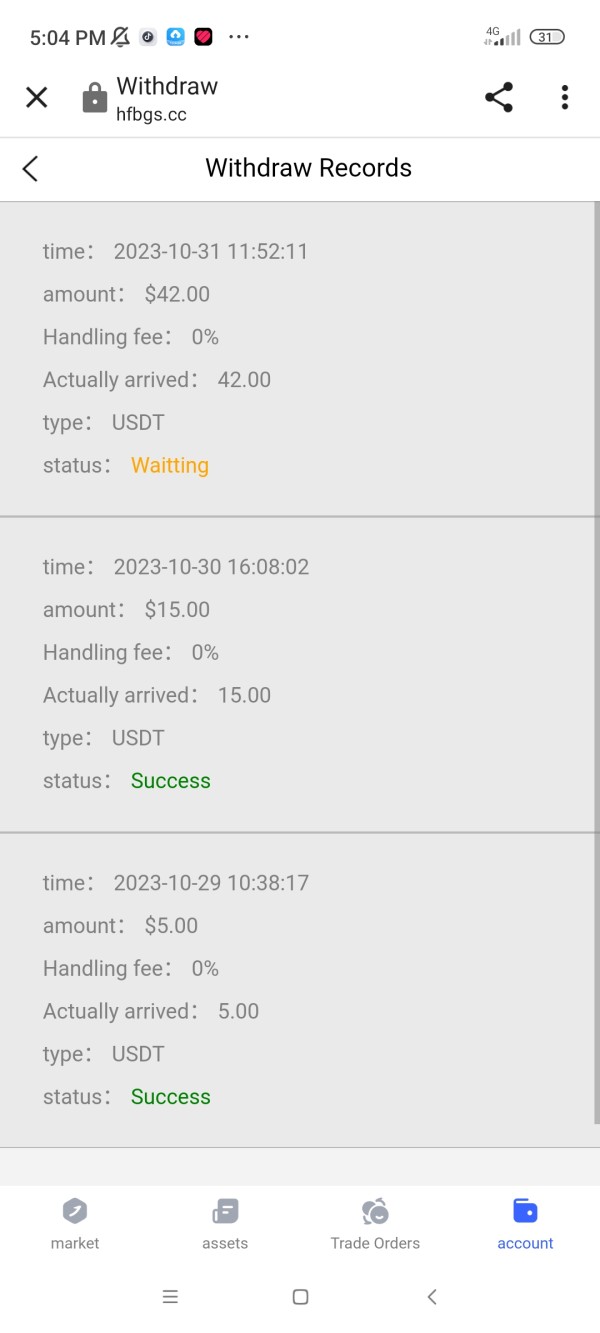
Risk Statement: UBS has been the subject of multiple complaints regarding fund withdrawals and has attracted scrutiny from regulatory authorities.
Potential Harms:
- Clients may experience significant delays in accessing their funds.
- High fees associated with account maintenance may impact returns negatively.
Self-Verification Steps:
- Consult the official websites of regulatory authorities, including:
- Securities and Futures Commission of Hong Kong (SFC)
- China Financial Futures Exchange (CFFEX)
- Investigate feedback and reviews on independent platforms to gauge customer satisfaction levels.
- Discuss potential investments with financial advisors or consultants to understand the intricacies involved.
Rating Framework
Broker Overview
Company Background and Positioning
Founded in 1862, UBS originally emerged as a single bank in Switzerland, evolving into a significant global financial institution with operations spanning over 50 countries. The vast services offered illustrate UBS's comprehensive approach to meeting the complex needs of high-net-worth individuals and institutional clients. Nonetheless, a history of regulatory scrutiny, including disclosures in 2022 and 2026, has somewhat tarnished its otherwise esteemed reputation. Investors are urged to weigh this backdrop against the firms significant strengths.
Core Business Overview
UBS operates mainly through three primary business segments: wealth management, investment banking, and asset management. Regulatory bodies such as the SFC and CFFEX oversee its operations, mandating compliance with strict financial guidelines. The wealth management division specializes in personalized investment advisory services while the investment banking sector provides strategic advisory and capital market solutions. The asset management division spans a diverse range of investment strategies across different asset classes, playing a crucial role in UBS's service delivery.
Quick-Look Details Table
In-Depth Analysis of Each Dimension
Trustworthiness Analysis
UBS is regulated by multiple financial authorities, including the SFC and CFFEX, which ideally provides a level of security for clients. However, historical regulatory disclosures indicate risk signals that may raise eyebrows. Recent reviews expose a troubling pattern of client discontent surrounding difficulty in fund withdrawals and unresponsive customer service, undermining client trust.
User Self-Verification Guide:
- Review UBS's status on regulatory websites such as the SFC and CFFEX.
- Examine customer testimonials and complaints on financial review sites, including Trustpilot and Better Business Bureau.
- Cross-check regulatory disclosures for transparency regarding their operations.
Industry Reputation and Summary: Despite being a global leader in wealth management, feedback surrounding fund accessibility and customer service highlights a pressing need for cautious investor diligence.
Trading Costs Analysis
UBS presents a competitive commission structure, appealing especially to experienced investors. However, the potential "traps" come from hidden non-trading costs, such as withdrawal fees, which have led to numerous complaints from users who felt blindsided by unexpected charges.
Cost Structure Summary:
While trading costs may attract larger transactions, the broker's structure does not favor cost-sensitive clients who may find more value elsewhere.
UBS employs a self-developed trading platform that supports a diverse range of financial instruments, but is notably less accommodating to popular systems like MetaTrader 4 or 5. This may limit access for certain demographic segments, particularly beginner traders seeking familiar tools.
Quality of Tools and Resources: UBS's platform includes viable instructional materials and key resources but lacks the user-friendliness needed for novice traders.
Platform Experience Summary: Feedback generally suggests that while experienced traders appreciate the advanced features, beginners struggle with usability and customer support.
User Experience Analysis
Repeated feedback reveals significant drawbacks in UBS's customer service, primarily lengthy wait times and unresponsiveness. Prospective clients should be wary of user experiences focused on accessibility and responsiveness, as numerous clients have cited systemic communication breakdowns.
Customer Support Analysis
Customer support operates in eight languages, yet reports indicate that support is often slow and selective in response times. Clients report dissatisfaction over unresolved inquiries, leading to a growing frustration and desertion by some in favor of more responsive platforms.
Account Conditions Analysis
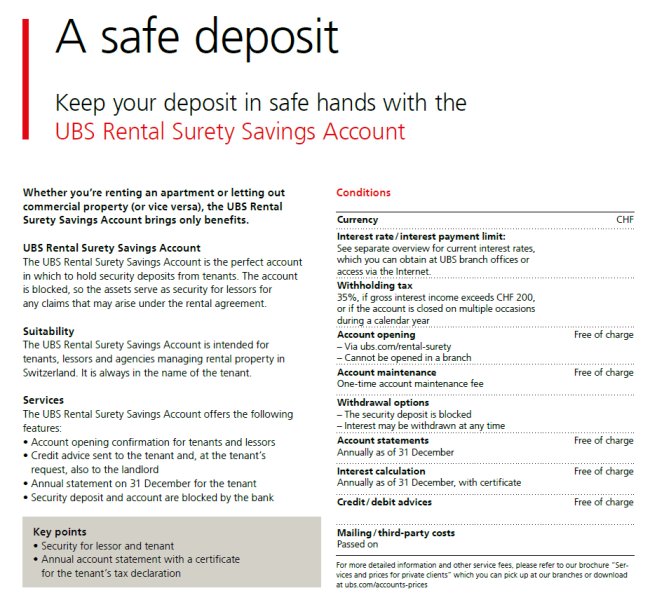
UBS's account structure is generally inflexible, particularly with high minimum deposits that disproportionately alienate smaller investors. High-net-worth individuals likely find UBS's services suitable, while the barriers to entry may severely limit accessibility for new or smaller investors.
Conclusion
UBS stands as a significant player in the financial services landscape, characterized by a rich legacy and comprehensive offerings. Nevertheless, potential clients must vigilantly weigh its prestigious reputation against considerable risks, including notably high fees and regulatory scrutiny. Those seeking fee-sensitive options or faster access to their funds would benefit from exploring alternative avenues that better align with their financial goals.
As the brokerage market evolves, maintaining awareness and aligning with institutions that genuinely serve client needs will remain paramount for today's investors.