OCTA 2026 In-Depth Review: Opportunity or Trap?
Executive Summary
OCTA, established in 2011 and operational in over 180 countries, has emerged as a competitive player in the forex and CFD brokerage space. The broker offers advantageous trading conditions, notably low spreads and zero commissions, making it attractive primarily to novice and intermediate traders. Its emphasis on educational resources and user-friendly platforms enhances access for those starting their trading journey or seeking cost-effective options. However, the broker operates under limited regulatory oversight, primarily under the Cyprus Securities and Exchange Commission (CySEC) and the Mwali International Services Authority (MISA). This raises concerns about fund safety and service reliability particularly for experienced traders who might prioritize stringent regulatory protections and a broad range of investment products.
⚠️ Important Risk Advisory & Verification Steps
Investors must exercise caution. Please consider the following important points:
- Limited Regulatory Oversight: OCTA is mainly regulated by CySEC and MISA, which may not provide comprehensive protections as compared to more notable regulatory bodies like the FCA or ASIC.
- Mixed User Feedback: Users have reported varied experiences regarding withdrawal processes and fund security, emphasizing the necessity for diligence.
- Verification Steps:
- Visit the official regulatory websites to confirm OCTA's licensing status.
- Review user testimonials and feedback on trusted platforms to gauge customer satisfaction.
- Contact customer service to assess responsiveness and professionalism during peak trading hours.
Rating Framework
Broker Overview
Company Background and Positioning
OCTA, also known formally as OCTA Markets, has built its reputation since its establishment in 2011, with its headquarters in Saint Vincent and the Grenadines. With over 40 million trading accounts opened globally, it has positioned itself as a viable alternative for traders seeking reliable trading opportunities. The company aims to provide accessible trading solutions that cater to a wide demographic, from beginners to seasoned investors, focusing heavily on education and robust trading conditions.
Core Business Overview
OCTA primarily operates as a CFD and forex broker, facilitating trading in various instruments including currencies, commodities, and cryptocurrencies through popular trading platforms such as MetaTrader 4 (MT4), MetaTrader 5 (MT5), and its proprietary OCTA Trader. The brokers services are regulated mainly by CySEC and MISA, with additional oversight by the Financial Sector Conduct Authority (FSCA) in South Africa. By focusing on competitive pricing structures and minimal fees, OCTA seeks to attract cost-sensitive traders looking to maximize their return on investment.
Quick-Look Details Table
In-Depth Analysis of Each Dimension
1. Trustworthiness Analysis
"Teaching users to manage uncertainty."
Regulatory Information Conflicts
OCTA operates with oversight from relatively less stringent authorities such as CySEC and MISA. While this does provide a certain level of regulatory compliance, it does not guarantee the comprehensive protections available through more established regulators (e.g., FCA, ASIC).
User Self-Verification Guide
- Visit the CySEC and MISA websites to check OCTA's regulatory status.
- Assess user reviews on Trustpilot or similar platforms.
- Confirm customer experiences shared in various trading forums.
Industry Reputation and Summary
The feedback on OCTAs fund safety signifies a mixed experience: while some traders appreciate its operational transparency and decent educational offerings, complaints about withdrawal issues and inconsistency in support indicate potential risks that traders should investigate further.
2. Trading Costs Analysis
"The double-edged sword effect."
Advantages in Commissions
OCTAs model of commission-free trading paired with low spreads, commencing from a mere 0.6 pips, offers an appealing prospect for cost-conscious traders looking to optimize their trading returns. Users report significant benefits from such a structure, leading to higher overall profitability.
User Review: “The spreads are tight and withdrawals are processed within a day. Great experience overall.”
The "Traps" of Non-Trading Fees
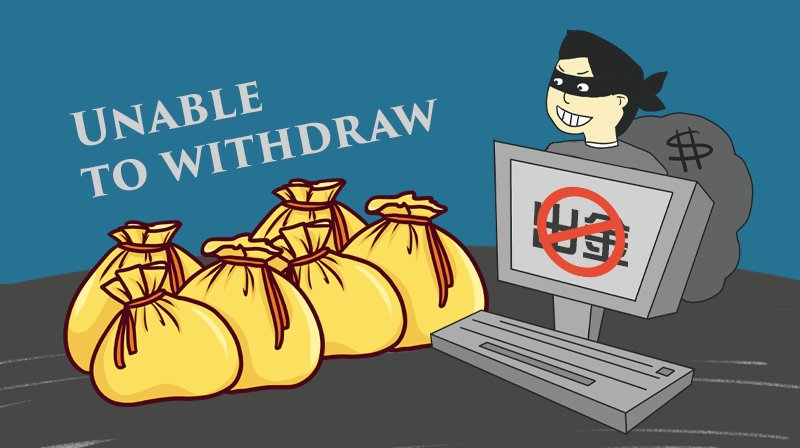
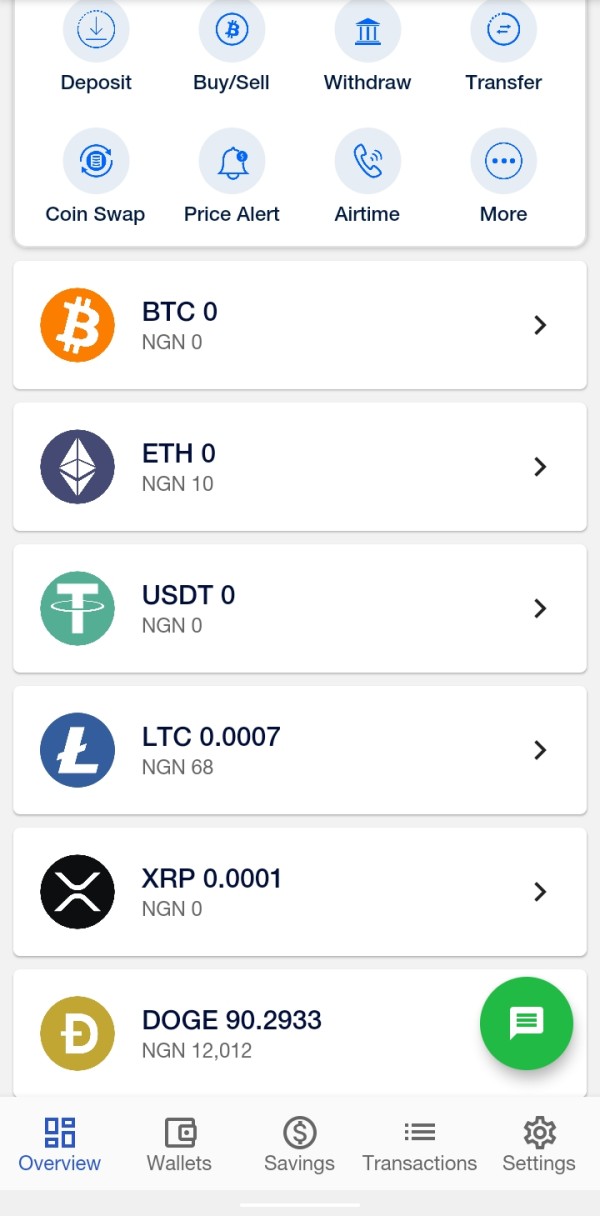
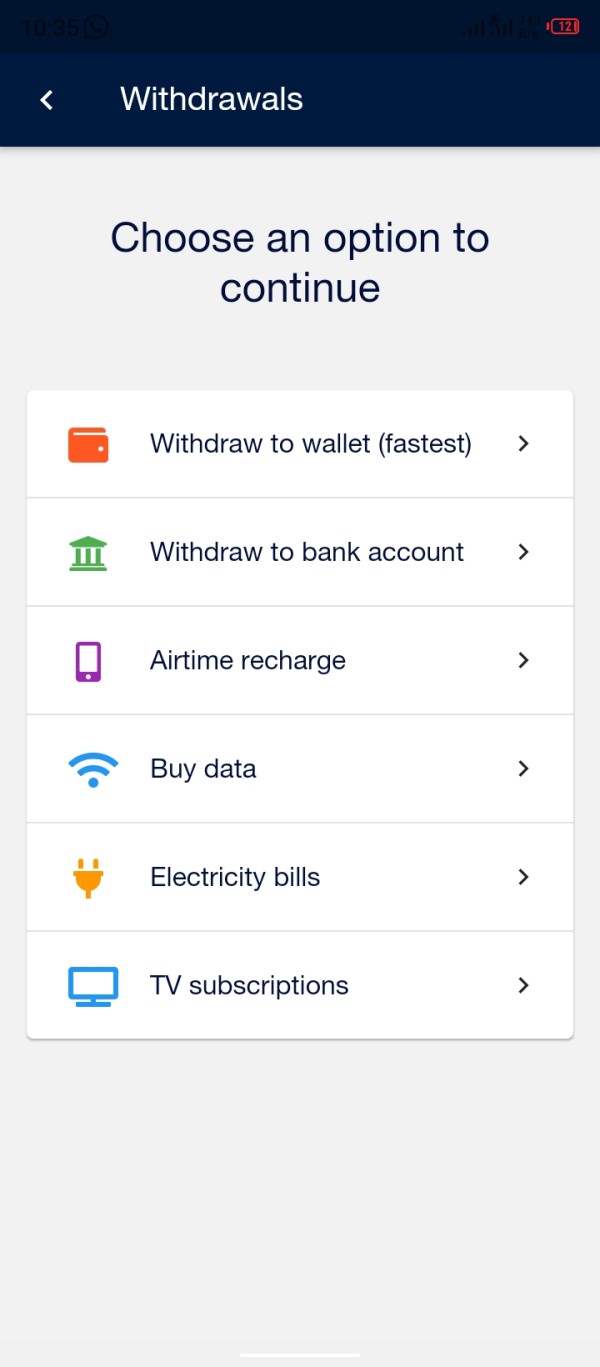
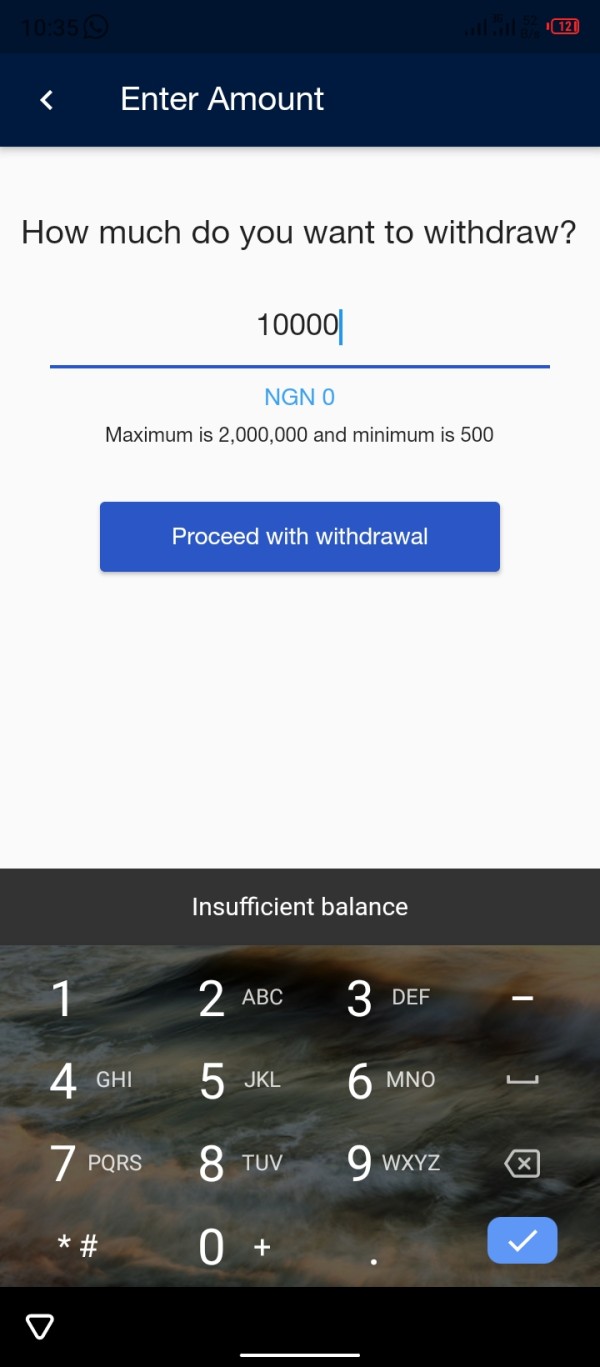
However, some users have raised concerns about potentially hidden fees, primarily during withdrawal processes. Complaints include unexpected delays and difficulties in accessing funds.
User Feedback: “It took 8 days for my withdrawal to be processed, with no clear explanation.”
Cost Structure Summary
OCTA is well-positioned for new and intermediate traders; however, more seasoned participants may find its mix of fees and service reliability lacking. The low-cost structure could be undermined by the overhead of navigating through withdrawal issues.
"Professional depth vs. beginner-friendliness."
Platform Diversity
OCTA supports trading through multiple platforms, with MT4 and MT5 being popular among traders. The in-house OCTA Trader platform enhances the trading experience by providing seamless integration with various trading tools.
Quality of Tools and Resources
The platforms boast a robust set of educational and analytical tools, making them accessible for beginners while still accommodating advanced trading strategies. However, advanced traders may find MT5 lacking specific tools compared to other platforms offered by competitors.
Platform Experience Summary
Users generally praise the platform's intuitive interface. The ability to customize layouts and accessibility on mobile devices enhances overall user satisfaction.
User Feedback: I find OCTA Trader very easy to use, with features that help me analyze the market efficiently."
4. User Experience Analysis
"Balancing accessibility with complexity."
User Interface Feedback
The user interface of OCTAs platforms is generally regarded as intuitive and well-structured, facilitating easy navigation across different functions. New traders can quickly adapt to using the platforms with minimal learning curve.
Community and Support
Feedback regarding community support indicates varying levels of engagement, with some users reporting slow response times during high-traffic periods.
Overall User Satisfaction
While the majority of users appreciate the trading experience and platform functionality, ongoing reports of customer service delays are a potential drawback.
5. Customer Support Analysis
"Responsive support as a service differentiator."
Support Channels
OCTA provides multiple channels for customer support, including live chat and email options, which are accessible 24/7. This level of service is crucial during times of trading uncertainty.
Response Times and Quality
User experiences vary, with some reporting prompt responses while others report delays, particularly during peak trading hours.
Recommendations for Improvement
Incorporating a tiered support system based on account activity might enhance overall customer satisfaction by directing users to knowledgeable representatives more efficiently.
6. Account Conditions Analysis
"Flexibility vs. restrictions."
Overview of Account Types
OCTA offers several account types catered to different trading strategies, including a micro account specifically for beginners.
Minimum Deposit and Leverage Options
With a minimum deposit of just $25, OCTA is an attractive choice for traders just starting out. The high leverage options provide greater market exposure, appealing particularly to novice traders.
Summary of Account Conditions
Most user feedback indicates satisfaction with the available account conditions. However, some traders have expressed a desire for a broader array of investment products.
Conclusion
OCTA presents an attractive package for cost-sensitive traders, particularly novices and intermediates, with its competitive trading conditions and comprehensive educational resources. However, potential risks stemming from limited regulatory oversight and mixed user experiences signal caution for more experienced traders. Before deciding on OCTA as a brokerage partner, it is recommended to conduct thorough research, considering both its strengths and weaknesses in the current trading landscape. By adhering to self-verification processes and remaining vigilant regarding account dealings, traders can better manage their risk and make informed trading decisions.