HSBC 2026 In-Depth Review: Opportunity or Trap?
Executive Summary
HSBC has anchored itself in the financial landscape for over 155 years, distinguishing itself as a reputable broker with a strong emphasis on security, reliability, and extensive global trading capabilities. Particularly appealing to seasoned investors, HSBCs platform integrates banking and trading services, allowing users to manage their portfolios in a secure environment. However, criticism arises from its higher-than-average fees and noted deficiencies in customer service. Novice traders, in particular, may find this backdrop challenging, as navigating the complexities of HSBC's platform could hamper their trading potential. Therefore, potential clients must weigh the advantages of a robust trading platform against the financial implications of operating with one of the largest banking institutions globally.
⚠️ Important Risk Advisory & Verification Steps
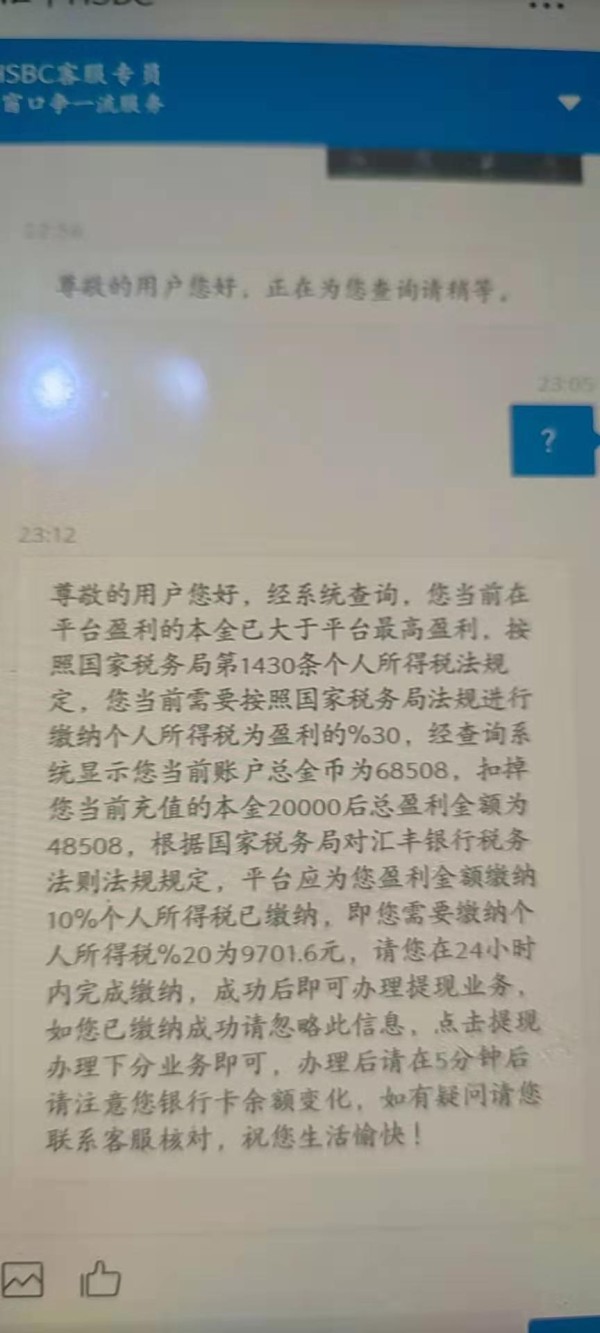
Risk Advisory: While HSBC's extensive regulatory framework lends credibility, persistent concerns over its regulatory clarity and customer service complicate the investment landscape. Traders should remain vigilant about potential risks, such as high withdrawal fees and unclear communication during customer support interactions.
To verify your safety with HSBC, consider the following steps:
- Check HSBC's Regulatory Status: Visit the official Securities and Futures Commission of Hong Kong (SFC) website to confirm its licensing.
- Review User Feedback: Gather insights from platforms like WikiFX and Trustpilot to discern the experiences of existing customers.
- Contact Customer Support: Engage with the support team to assess response times and service reliability prior to account opening.
- Read the Fine Print: Understand the fee structure and withdrawal policies outlined in HSBC's terms and conditions.
Rating Framework
Broker Overview
Company Background and Positioning
HSBC, formally known as the Hongkong and Shanghai Banking Corporation, was established in 1865 and is headquartered in Hong Kong. Over time, it has evolved to become one of the largest banking and financial services organizations globally, boasting a significant presence across Asia, Europe, and the Americas. The bank's long-standing history endows it with a reputation for stability and security, positioning it firmly within the high-tier segment of the financial industry.
Core Business Overview
HSBC delivers a comprehensive suite of financial services aimed at engaged traders seeking diverse trading options within regulated environments. Its offerings span across various trading instruments, including forex, stocks, and futures, with services accessible via well-known platforms like MetaTrader 4 (MT4), proprietary digital solutions, and mobile applications. Additionally, HSBC prides itself on an integrated banking approach, allowing clients to effortlessly manage their investment and banking needs from one platform.
Quick-Look Details Table
In-depth Analysis of Each Dimension
Trustworthiness Analysis
HSBC is subject to a regulatory framework upheld by various authorities, including the Securities and Futures Commission (SFC) of Hong Kong, the Australian Securities and Investments Commission (ASIC), and the Labuan Financial Services Authority. However, mixed feedback from users regarding its regulatory effectiveness poses potential risks for novice traders and raises concerns about fund safety.
User Self-Verification Guide
To ensure regulatory compliance:
- Visit the SFC website (www.sfc.hk) to confirm HSBC‘s licensing.
- Access the NFA’s Basic Database (www.nfa.futures.org) to verify active licenses.
- Research reviews on platforms like WikiFX and Trustpilot for real user experiences.
- Reach out to HSBC customer service with inquiries about concerns to gauge responsiveness.
Industry Reputation and Summary
User experiences indicate that verifying HSBC's regulatory effectiveness is crucial in assessing fund safety. The reputation of HSBC remains resilient, but clear communication around potential risks and customer service responsiveness is vital for maintaining trader confidence.
Trading Costs Analysis
Advantages in Commissions
HSBC maintains competitive commission rates, particularly attractive for high-volume traders. Its commission structure is designed to cater to a segment willing to invest frequently and manage larger portfolios.
The "Traps" of Non-Trading Fees
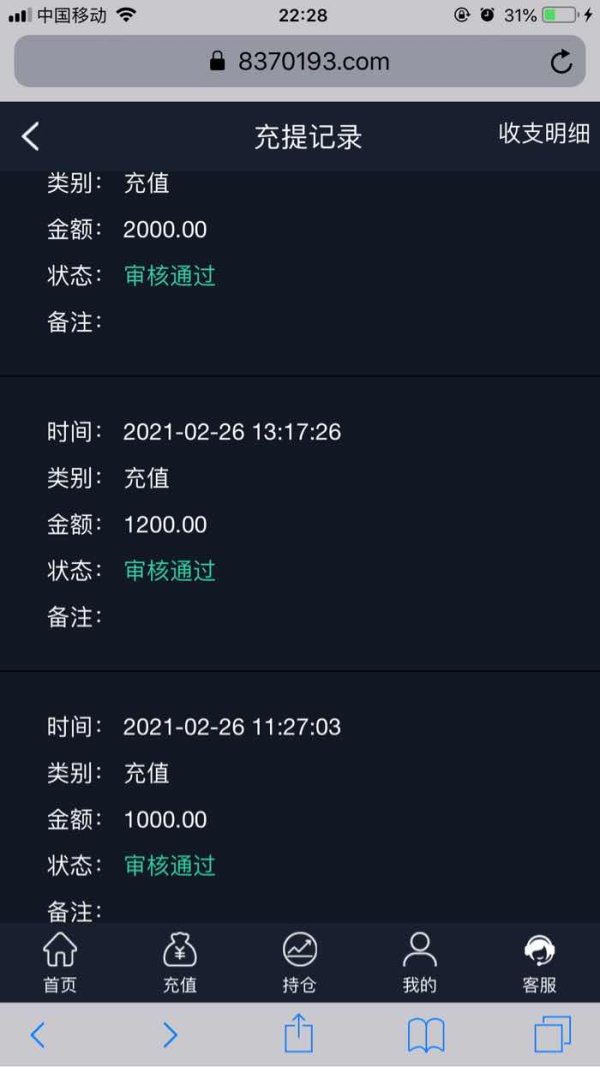
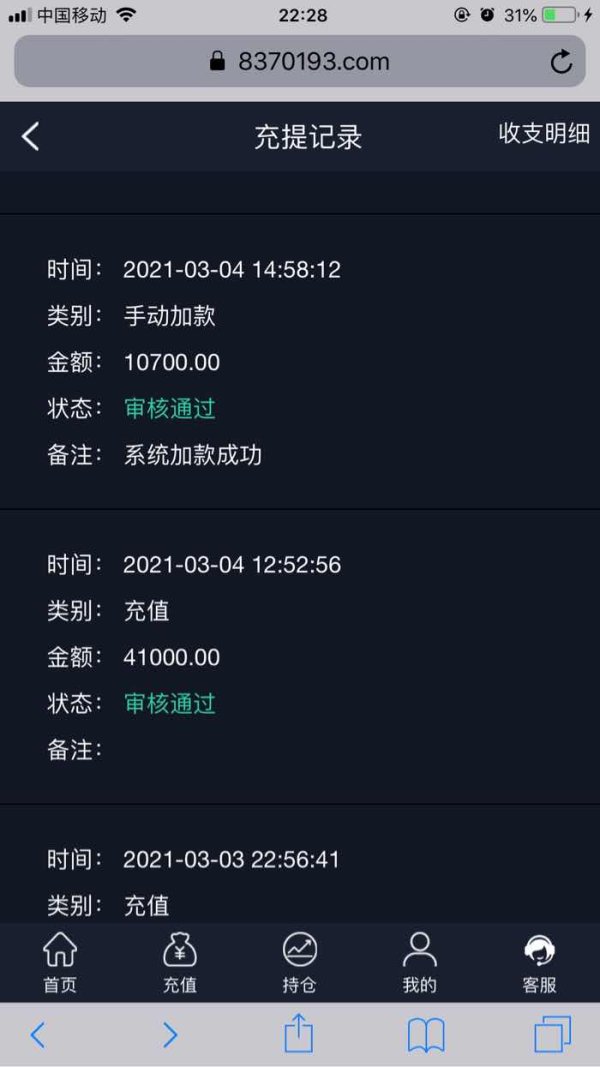
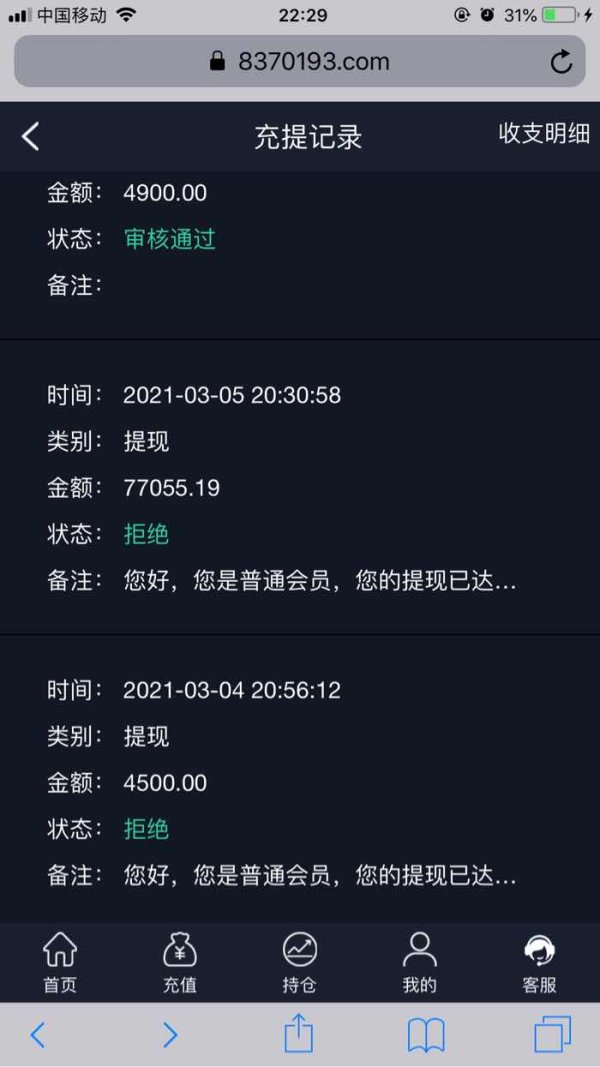
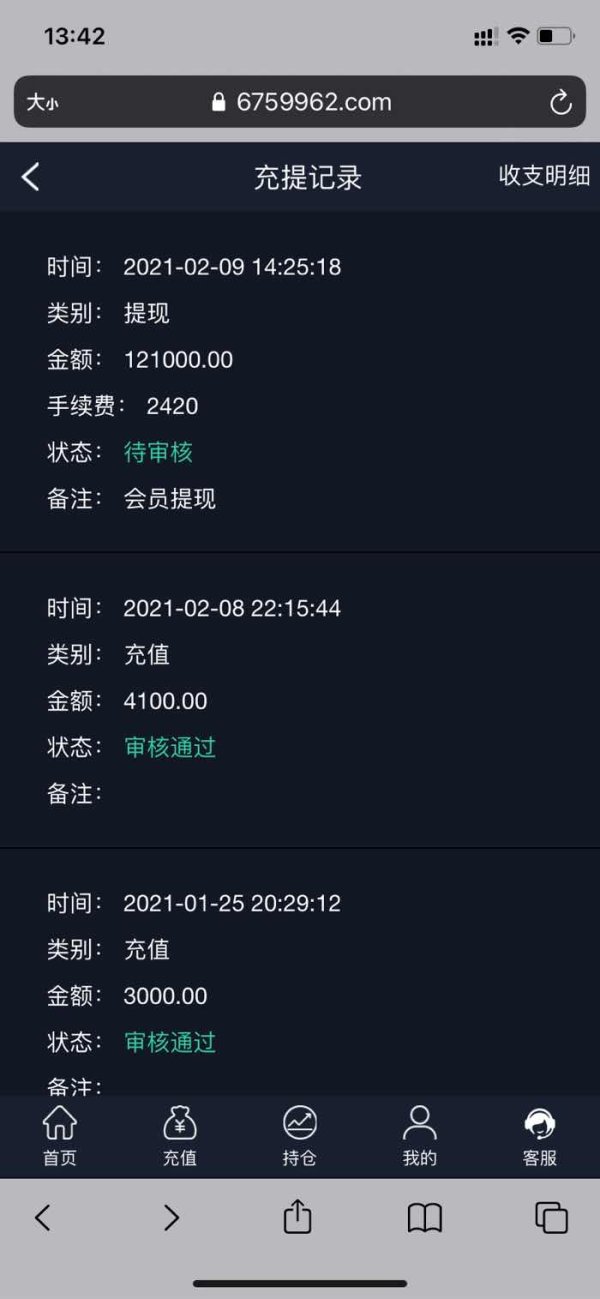
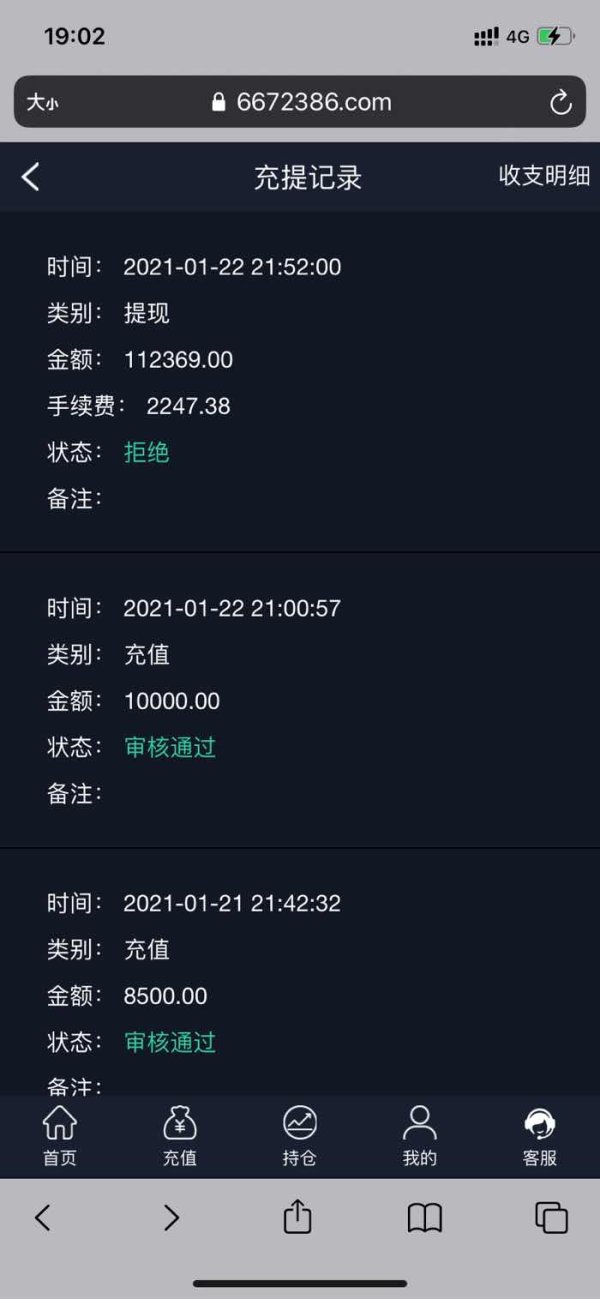
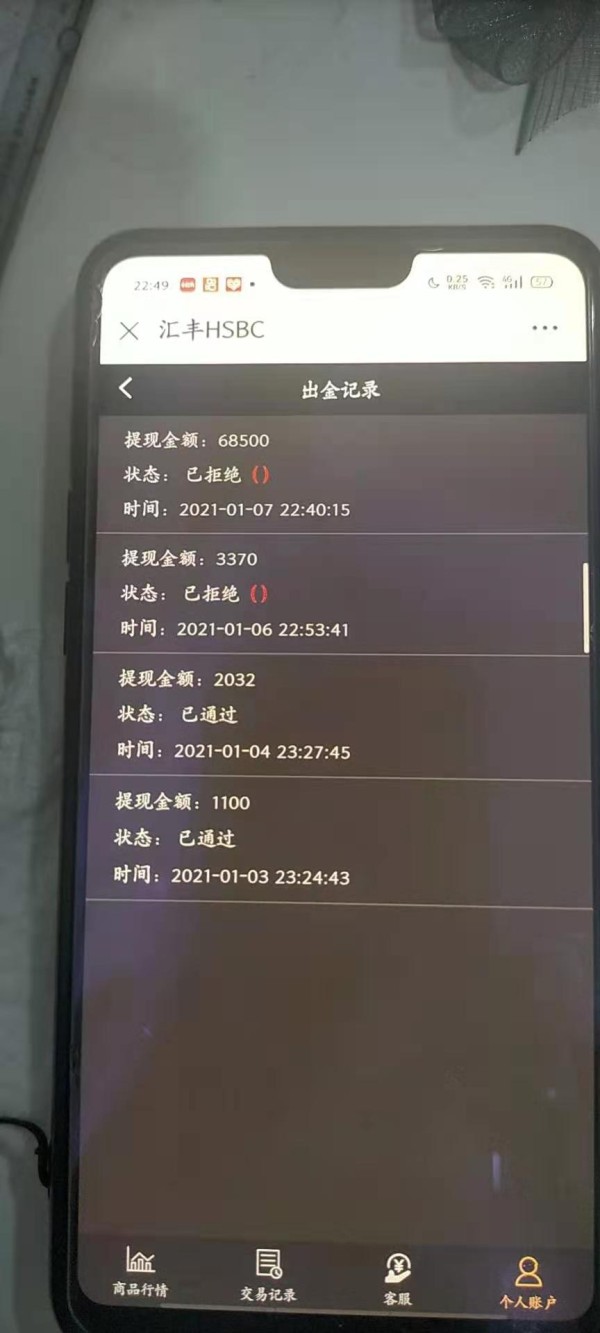
Despite its advantages, users have reported issues concerning high withdrawal fees. For instance:
"Every time I try to withdraw, I end up losing more to fees than I gain from trading."
This sentiment echoes throughout many user experiences, highlighting how non-trading fees can diminish overall profitability, especially for less aggressive traders.
Cost Structure Summary
Overall, potential investors must navigate the balance between low trading commissions and an array of non-trading fees. This environment may not favor novice or infrequent traders who could face significant erosion of their profits.
HSBC offers multiple trading platforms, including MetaTrader 4 and its applications. Each platform provides features tailored to different trading strategies, though beginners often find them overwhelming.
The educational resources available are deemed adequate for serious traders but may lack the intuitive design necessary for beginners. Evaluating the availability of real-time market data and analytical tools is essential for successful trading.
While users praise the functionality of HSBCs trading platforms, many beginners struggle with navigation. Feedback includes:
"The platform feels overly complicated for someone just starting out; response times for queries are disheartening."
User Experience Analysis
User experience feedback shows significant variability, particularly in navigational ease and efficiency. While experienced traders may appreciate the depth of tools available, novices report challenges with complex interfaces and elongated response times for customer support.
Customer Support Analysis
Customer support at HSBC has received mixed reviews, particularly regarding accessibility. Instances of extended response times—sometimes exceeding 75 hours—indicate a considerable area in need of improvement.
Support Channels
While HSBC maintains support accessibility via phone and email, the effectiveness is inconsistent. Long waits for responses reflect ongoing concerns around service reliability.
Account Conditions Analysis
Minimum Requirements
HSBC requires clients to maintain minimum balances to avoid monthly fees, presenting a challenge for newer traders or those with limited capital.
Annual Fees
Annual fees associated with account activity can add another layer of complexity, detracting from the trading experience for less aggressive participants.
Conclusion
HSBC offers a robust trading environment characterized by a strong security reputation and extensive global access. However, experienced traders must reconcile high fees and customer service challenges against the backdrop of its established history. For novices or cost-sensitive investors, these considerations could present significant hurdles.
Investing through HSBC may be opportune for those willing to navigate its complexities, but evaluating personal financial objectives and capacity for risk is paramount before proceeding. Whether it‘s an opportunity or a trap ultimately hinges on the individual trader’s preparedness to engage with the platform's unique dynamics.