DEUS 2026 In-Depth Review: Opportunity or Trap?
Executive Summary
DEUS stands as an unregulated broker that offers speculative trading opportunities primarily in Contracts for Difference (CFDs), commodities, and cryptocurrencies. While the broker may attract high-risk traders who are hunting for profits in volatile markets, its lack of regulatory oversight and mounting user complaints raise significant alarms about fund safety and withdrawal issues. The platform is not suitable for conservative investors or beginners who prioritize regulatory compliance and fund safety. This article aims to present both the allure and the risks associated with engaging in high-stakes trading with DEUS.
⚠️ Important Risk Advisory & Verification Steps
Investors are strongly advised to consider the following risks before engaging with DEUS:
- Lack of Regulation: DEUS operates without oversight from any credible financial authority, significantly increasing the risk of fraudulent activities.
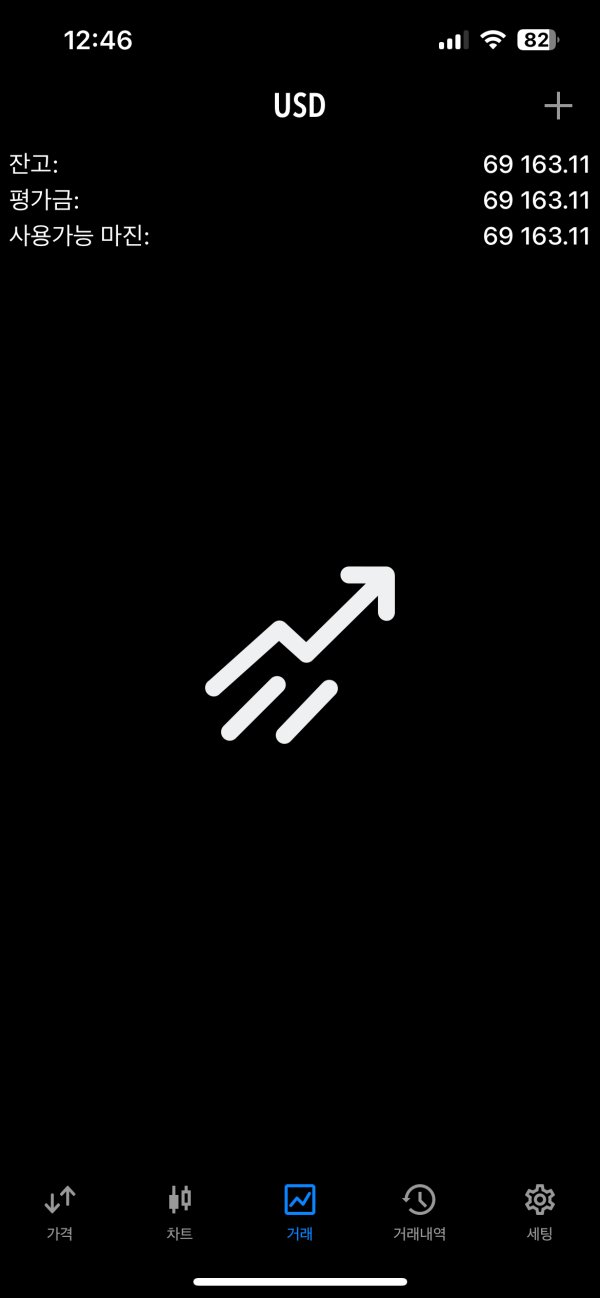
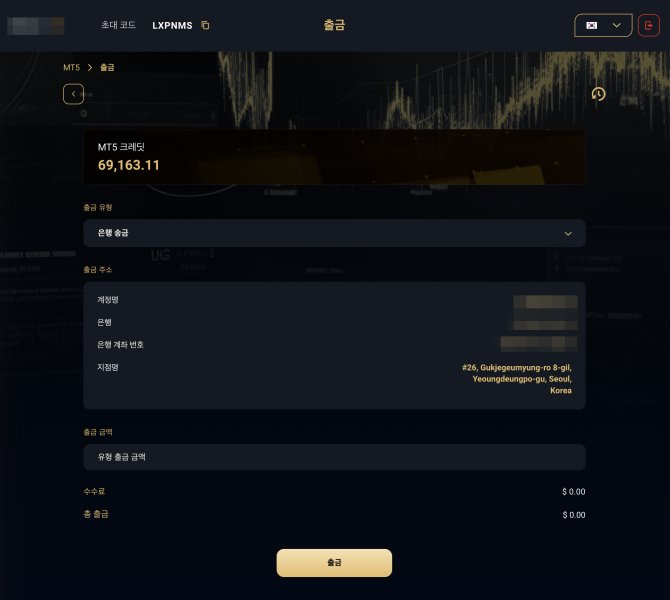
- Withdrawal Complaints: Numerous user reports indicate persistent issues with capital withdrawal, raising serious doubts about fund accessibility.
- Website Inaccessibility: The broker's primary website is currently inaccessible, casting further suspicion on its operational legitimacy.
Self-Verification List
- Check Regulatory Status: Confirm the broker's regulatory standing through financial oversight bodies.
- Research User Feedback: Review forums and feedback platforms for user experiences regarding withdrawals and fund safety.
- Assess Website Legitimacy: Attempt to access the broker's official website consistently and cross-reference its history.
Rating Framework
Broker Overview
Company Background and Positioning
DEUS is a relatively new financial services provider, established on November 18, 2022, and registered in the United States. Despite its claims of serving both institutional and retail markets, DEUS faces scrutiny due to its unregulated status and the inaccessibility of its official website, which raises concerns about its operational legitimacy, especially for investors considering high-risk trading strategies.
Core Business Overview
DEUS offers trading services in various instruments, notably CFDs, commodities like crude oil, and cryptocurrencies such as Bitcoin. The broker advertises significantly high leverage rates of up to 1:100, potentially appealing to high-risk traders seeking larger positions without substantial capital outlay. However, the lack of clarity on trading conditions, including spreads and commissions, complicates potential user assessments.
Quick-Look Details Table
In-depth Analysis of Each Dimension
Trustworthiness Analysis
Teaching users to manage uncertainty.
DEUS operates without any credible regulatory oversight, a significant red flag for any financial institution. The absence of regulatory clarity raises questions about the broker's adherence to industry practices and the protection of investors.
Analysis of Regulatory Information Conflicts: It is crucial to note that DEUS claims to operate under various regulatory oversights, including the Financial Crimes Enforcement Network (FinCEN) and the National Futures Association (NFA). However, the UKs FCA has issued warnings against the broker, indicating it may operate without proper authorization (source material).
User Self-Verification Guide:
Verify the brokers regulatory status on official financial regulatory websites.
Search for DEUS on customer feedback forums to gather insights on past user experiences.
Attempt to access DEUS's official website to evaluate its functionality and existence in the market.
Industry Reputation and Summary: User feedback is overwhelmingly negative, with numerous complaints about withdrawal difficulties and general mistrust towards its operations, which points towards high risks associated with investing in DEUS.
Trading Costs Analysis
The double-edged sword effect.
Advantages in Commissions: DEUS claims to offer low commission structures, potentially attractive to active traders seeking to minimize transaction costs.
The "Traps" of Non-Trading Fees: Reports indicate that users have faced hidden or unexpected fees associated with withdrawals. For instance, one user highlighted a $20,000 penalty for attempting to terminate a contract prematurely, showcasing a lack of transparency.
"The explanation of the overnight interest was not properly provided, and withdrawal was also not possible."
- Cost Structure Summary: While lower commission rates may seem beneficial, the hidden fees and withdrawal issues might deter users from fully capitalizing on the low-cost strategy.
Professional depth vs. beginner-friendliness.
Platform Diversity: DEUS offers the MT5 trading platform, known for its advanced analytical capabilities. However, the platform's usability varies among users, depending on their previous experience with trading software.
Quality of Tools and Resources: Users report a lack of educational materials and resources, limiting the capacity for beginner traders to learn effectively while navigating the trading landscape.
Platform Experience Summary: Mixed user experiences have led to a variety of user ratings, but specific usability feedback often highlights user frustrations over transaction speed and technical glitches.
User Experience Analysis
Balancing user feedback with operational transparency.
User Feedback Overview: The user feedback has been surprisingly indifferent, with many users reporting basic functionalities while others mention notable failures in withdrawal and support.
Transparency and Communication: Feedback from users regarding communication has echoed a sentiment of frustration due to limited support channels, contributing to a negative perception of the broker.
Overall User Experience Summary: User experiences are characterized by a blend of frustration and uncertainty, with many advising potential users to engage with caution due to frequent complaints regarding fund access.
Customer Support Analysis
Essential for crisis management.
Support Channels Available: The broker provides limited customer support via email, raising concerns about responsiveness and efficiency in addressing user inquiries.
Response Times and Quality: Users have often complained about slow response times, particularly in urgent situations, highlighting inadequate support structures.
Summary of Support Effectiveness: Overall, support effectiveness is severely limited by unavailability and protracted response times, potentially jeopardizing user confidence.
Account Conditions Analysis
Understanding the fine print.
Account Types and Requirements: DEUS does not provide clear information about account categories or associated requirements, which significantly impairs user decision-making.
Fees and Charges: Insufficient transparency about fees, particularly concerning commissions and spreads, raises significant alarm regarding the overall cost structure.
Summary of Account Conditions: This lack of clarity complicates financial planning for potential users who may not be aware of the full extent of costs associated with trading.
Conclusion
The review of DEUS reveals compelling yet alarming characteristics that define its operational ethos as a trading platform. While the allure of high-risk trading opportunities exists, the formidable risks associated with an unregulated broker cannot be overstated. With critical regulatory oversights missing, a plethora of negative user feedback, and ongoing complaints about withdrawal issues, potential investors should proceed with utmost caution. DEUS may appeal to high-risk traders, but for those prioritizing funds' safety and transparent practices, exploring regulated alternatives would be a prudent choice.