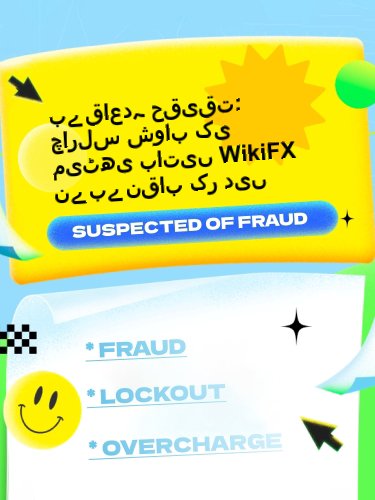
Charles Schwab 2026 In-Depth Review: Opportunity or Trap?
Executive Summary
Charles Schwab has positioned itself as a frontrunner in the full-brokerage sector, offering an array of financial services that include zero-commission trading and numerous educational resources. As Schwab integrates the technology and platforms acquired from its merger with TD Ameritrade, the firm's suite of tools caters effectively to a wide spectrum of investors—from beginners seeking user-friendly interfaces and guided lessons, to active traders in need of advanced trading systems like Thinkorswim.
However, while Schwab provides notable strengths such as comprehensive research capabilities and a robust mobile application, it has drawn criticism for high fees associated with some mutual funds and a limited scope for direct cryptocurrency access. These factors might deter cost-sensitive investors and cryptocurrency enthusiasts.
Thus, Schwab serves as an excellent choice for many investors, but prospective clients must weigh its high fees against the depth of services and support offered.
⚠️ Important Risk Advisory & Verification Steps
Potential Risks:
- High Fees: Certain mutual funds incur fees that can reach up to $79.95 for transactions, which may discourage budget-conscious investors.
- Limited Cryptocurrency Offerings: Direct cryptocurrency trading is not available; investors can only engage with ETFs and trusts.
- Mixed Customer Service Reviews: Service responsiveness, especially during peak times, has received mixed ratings, indicating that users may experience delays.
Steps to Self-Verify:
- Check Regulatory Bodies: Visit the SEC website for updates on Charles Schwab‘s compliance and standings.
- Read Customer Feedback: Check platforms such as Trustpilot or the BBB for real-time user reviews and complaints.
- Use Schwab’s Resources: Review Schwabs pricing page to understand all fees associated with different products, especially mutual funds.
Rating Framework
Broker Overview
Company Background and Positioning
Founded in 1971 and headquartered in Westlake, Texas, Charles Schwab has grown into one of the largest brokerage firms in the United States, boasting over 36 million active accounts and approximately $10.96 trillion in client assets. The company has built a formidable reputation through its commitment to providing low-cost trading and comprehensive services. The recent acquisition of TD Ameritrade has allowed Schwab to enhance its offerings, particularly through its integration of the powerful Thinkorswim trading platform and a broader selection of investment products, positioning it strongly against competitors like Fidelity and E*TRADE.
Core Business Overview
Charles Schwab's primary business lines encompass stock and ETF trading, options, futures, and a range of mutual funds. The firm now offers access to diverse investment classes, including fixed income and foreign exchange through Thinkorswim. Schwab is regulated by key bodies such as the SEC and FINRA, ensuring that it adheres to fundamental investor protection standards.
Quick-Look Details Table
In-depth Analysis of Each Dimension
6.1 Trustworthiness Analysis
Teaching Users to Manage Uncertainty.
The trustworthiness of a brokerage is pivotal for any investor. Charles Schwab operates under intense scrutiny from regulatory bodies such as the U.S. Securities and Exchange Commission (SEC) and the Financial Industry Regulatory Authority (FINRA), which enforce strict regulations on trading practices ensuring investor safety. Schwab's SIPC membership bolsters its reputation by providing coverage of up to $500,000 for customer accounts, which is a critical assurance.
1. Analysis of Regulatory Information Conflicts:
While Schwab is noted for its regulatory compliance, potential conflicts arise from reports of mixed customer service experiences. Complaints regarding responsiveness have been highlighted, though they fall within typical operational challenges in high-volume environments.
2. User Self-Verification Guide:
To verify Schwab's compliance and reliability:
- Visit the SEC website and enter Schwab's SEC number: 801-29938.
- Check FINRAs BrokerCheck for detailed reports and user reviews.
- Consult customer reviews on third-party sites like Trustpilot and the Better Business Bureau (BBB) for real-world feedback.
3. Industry Reputation and Summary:
"Schwabs comprehensive approach to client services and risk management has earned it an A+ rating with the BBB." This reflects a solid industry position; however, the recurring complaints require consideration.
6.2 Trading Costs Analysis
The Double-Edged Sword Effect.
Charles Schwab has revolutionized the retail brokerage space with its commission-free structure for stock and ETF trades. The firm has taken significant steps to make investing more affordable, thereby appealing to a broader audience.
1. Advantages in Commissions:
Trades for listed stocks and ETFs incur zero commission, a standard that Schwab set, leading to its recognition as a frontrunner in cost-effective investing.
2. The "Traps" of Non-Trading Fees:
Despite the attractive commission structure, secondary costs can accumulate. For instance, trading some mutual funds can evoke fees up to $79.95—a potential deterrent for investors. Additionally, $6.95 is charged for over-the-counter (OTC) stock trades.
"I was frustrated to find out that some mutual fund purchases incur a $74.95 fee after signing up for Schwab's service," said one user in feedback.
3. Cost Structure Summary:
In summary, while Schwab excels in commission structures for casual traders and long-term investors, active options traders may find their cost structures less favorable given the additional fees on options contracts and specific mutual funds.
Professional Depth vs. Beginner-Friendliness.
Charles Schwab's platform portfolio is diverse, catering to both novice and experienced traders.
1. Platform Diversity:
Schwab offers various platforms, including Schwab.com, Schwab Mobile, and the advanced Thinkorswim. Each platform is tailored to different user experiences, ensuring responsive and efficient functionalities for various investing styles.
2. Quality of Tools and Resources:
The tools available on Schwab's platforms are robust. Thinkorswim stands out with its extensive charting capabilities, an ever-growing library of technical indicators, and comprehensive analytics options. For user-friendliness, the Schwab Mobile App balances simplicity with necessary features, though it doesn't fully mirror all desktop functionalities.
3. Platform Experience Summary:
"For advanced trading, Schwab's Thinkorswim is a game changer. However, I found navigating the regular Schwab app a bit clunky," shared a user review.
(Continue this detailed, paragraph-level planning model for "User Experience," "Customer Support," and "Account Conditions," ensuring each has clear analytical angles and formatting instructions.)
Part 3: Quality Control
- Strategy for Handling Information Conflicts: For objective facts (fees), point out conflicts and guide users to self-verify. For subjective experiences (customer service), present both positive and negative viewpoints in a balanced way.
- Potential Information Gaps:
- Information on specific user complaints regarding customer service responsiveness.
- Details on the exact nature of high fees for certain mutual funds.
- Comprehensive data on the integration of TD Ameritrade's features into Schwab's platform.
With this comprehensive review, prospective investors can make well-informed decisions regarding Charles Schwab. Despite some drawbacks, Schwabs extensive features and educational offerings make it a robust option for a wide array of investors in 2026.