Fidelity 2026 In-Depth Review: Opportunity or Trap?
Executive Summary
Fidelity Investments has cemented its reputation as a formidable leader in the brokerage industry since its inception in 1946. With a customer-centric approach, Fidelity offers zero-commission trading for U.S. stocks and ETFs, diverse research tools, and a wide array of investment options, including stocks, bonds, mutual funds, and cryptocurrencies. This positions the firm as an attractive brokerage for both beginner and intermediate investors. Nevertheless, potential challenges exist — notably, high fees associated with non-Fidelity mutual funds and a platform complexity that may overwhelm novice users.
This review examines Fidelitys offerings, risks, and user experiences, helping investors make informed decisions about their trading journey.
⚠️ Important Risk Advisory & Verification Steps
Investing through Fidelity presents certain risks, particularly for those who are new to trading. Awareness and vigilant verification steps are vital.
Risks:
- Complex Tooling: Beginners may struggle with the intricacies of the platform's features and tools.
- Non-Fidelity Product Fees: High fees for non-Fidelity mutual funds can erode returns.
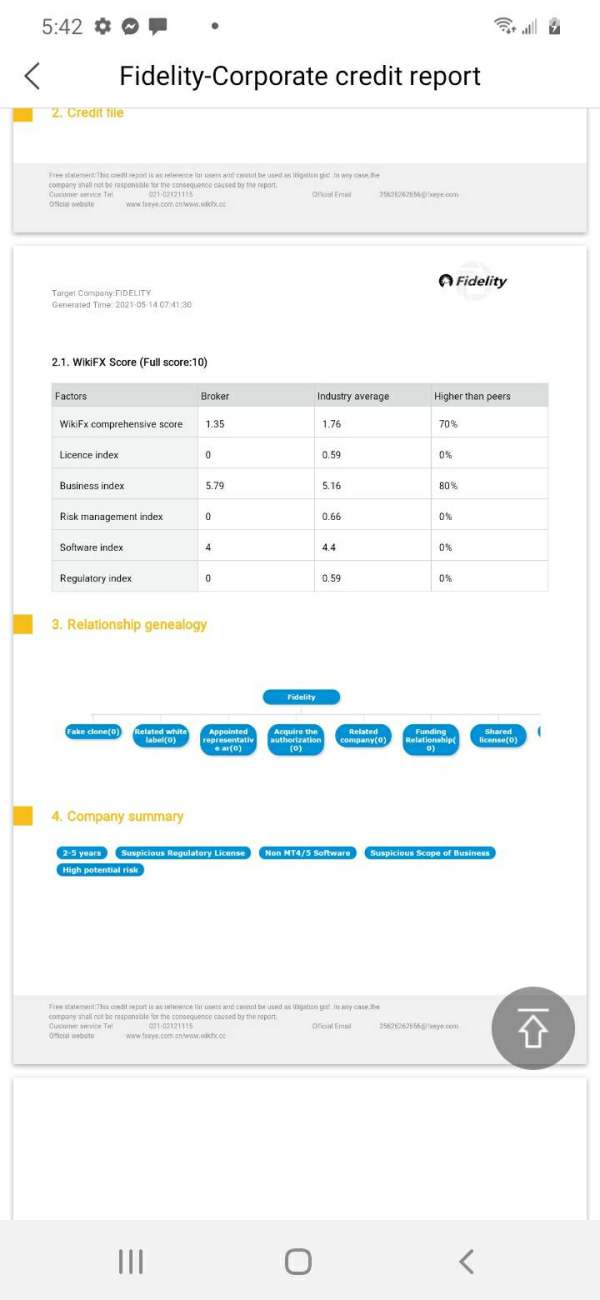
- Regulatory Concerns: Past disclosures have raised questions about Fidelitys trustworthiness.
How to Self-Verify:
- Research regulatory bodies: Use resources like the SEC or FINRA to understand Fidelitys compliance status.
- Check reviews: Visit financial advisory sites to compare user experiences and industry reputation.
- Engage with the community: Join investment forums to learn from shared experiences of fellow Fidelity customers.
Rating Framework
Broker Overview
Company Background and Positioning
Founded in 1946, Fidelity Investments has grown into a global financial services powerhouse, managing over $3.8 trillion in customer assets. The company‘s initial focus as a mutual fund firm has expanded dramatically, now encompassing a comprehensive range of investment services including brokerage, retirement management, and wealth management. Fidelity’s emphasis on innovative technology and customer-centric approaches aims to integrate the investment experience for clients, primarily targeting active traders and sophisticated investors seeking low-cost trading options.
Core Business Overview
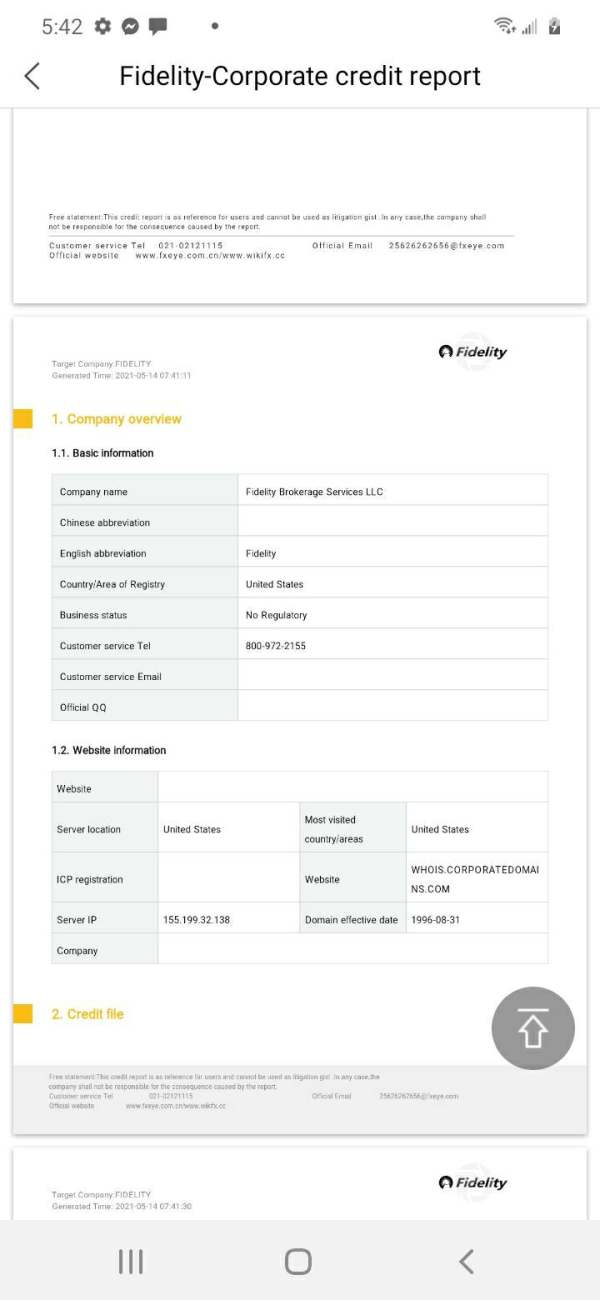
Fidelity offers an impressive selection of investment products, including U.S. stocks, ETFs, mutual funds, options, bonds, and limited exposure to cryptocurrencies. Various trading platforms are available, notably the Fidelity web platform and the sophisticated desktop application, Active Trader Pro, designed to meet the needs of different investor profiles. Fidelity is regulated by the SEC and is a member of FINRA, adhering to the financial industry standards that ensure investor protection.
Quick-Look Details Table
In-depth Analysis of Each Dimension
1. Trustworthiness Analysis
Fidelity is widely regarded in the investment community as a trusted institution, primarily due to its robust regulatory compliance and lengthy operational history. However, prior disclosures highlight potential concerns regarding its transparency.
Fidelity is regulated by the SEC and is a member of FINRA, ensuring compliance with industry standards. Nevertheless, disclosures from past inspections raise questions that necessitate scrutiny, primarily regarding customer treatment and transparency.
User Self-Verification Guide
- Visit regulatory websites such as SEC or FINRA to confirm Fidelity's registration.
- Review performance reports from Fidelity to assess compliance.
- Explore user feedback on investment forums to gauge customer sentiment and experiences.
“Fidelity has an extensive history, but its essential for new investors to verify the safety of their funds independently.” — A seasoned Fidelity user perspective.
Industry Reputation and Summary
Fidelity enjoys a solid reputation for its extensive service offerings, although customer support has received mixed reviews, particularly during peak operational times.
2. Trading Costs Analysis
The cost structure at Fidelity embodies both advantages and traps for investors.
Advantages in Commissions
Fidelity's zero-commission policy on U.S. stocks and ETFs is particularly beneficial for those making frequent trades, effectively reducing overall trading costs and providing an optimal environment for cost-effective trading strategies.
The "Traps" of Non-Trading Fees
Despite the low trading costs, investors should be mindful of substantial fees associated with non-Fidelity mutual funds. For instance, **$49.95** can be charged per transaction, representing a potentially significant increase in trading expenses.
“I was shocked to incur a **$49.95** fee for a fund I thought was low-cost; I wont make that mistake again.” — User reflecting hidden costs.
Cost Structure Summary
In conclusion, while Fidelity offers competitive pricing for many instruments, the complexity of the fee structure can lead to unexpected charges for investors unfamiliar with non-Fidelity products.
Fidelity strives to provide a wide range of platforms and tools adaptable to all investor types.
Fidelity supports multiple platforms, including its web interface and more advanced Active Trader Pro, catering to novice and seasoned investors alike with extended analytical tools and real-time data.
The broker excels in offering comprehensive educational resources, third-party research, and various investment strategy builders designed to assist users in making informed decisions.
User feedback implies a generally positive experience with Fidelity's platform; however, many express sentiments that the complexity of the tools can be daunting for beginners.
4. User Experience Analysis
Navigating Fidelity's platform can be challenging due to its extensive features.
User Experience Insights
While the platform's functionality is generally praised, various users cite difficulties in maneuvering the interface, particularly those lacking technical expertise.
Feedback on Usability
Users often appreciate the depth of features but report frustration at navigating the complex layout.
5. Customer Support Analysis
Fidelity provides comprehensive support options including a virtual assistant, phone support, and a wealth of online resources.
Overview of Customer Support
While customer support through online chat and phone is accessible, some users report variable wait times and efficiency during high-demand periods.
6. Account Conditions Analysis
Fidelity offers an appealing structure for potential investors.
Overview of Account Conditions
With no minimum deposit for most accounts, Fidelity ensures accessibility for a wide range of investors. However, potential high fees for non-Fidelity mutual funds warrant careful consideration.
Conclusion
Fidelity Investments remains a robust option for investors, particularly those looking for diverse, low-cost trading opportunities within a secure environment. However, its complexity poses challenges for inexperienced traders, particularly concerning the fee structure surrounding non-Fidelity products. Ultimately, whether Fidelity serves as an opportunity or a trap depends on the investor's familiarity with the intricacies of trading and their specific investment needs. With thorough research and a proactive approach to understanding associated risks, Fidelity can indeed unlock pathways to significant financial growth.